
In every industrial or commercial setting, safety is non-negotiable. Customized safety tags have emerged as an indispensable element in hazard communication, regulatory compliance, and operational efficiency. These simple yet powerful tools serve as visual warnings and information transmitters that alert employees and visitors about dangers, operating instructions, and equipment status. By tailoring safety tags to your organization’s specific risks and procedures, you reinforce accountability, minimize accidents, and stay ahead of compliance requirements.
Understanding the Critical Role of Customized Safety Tags
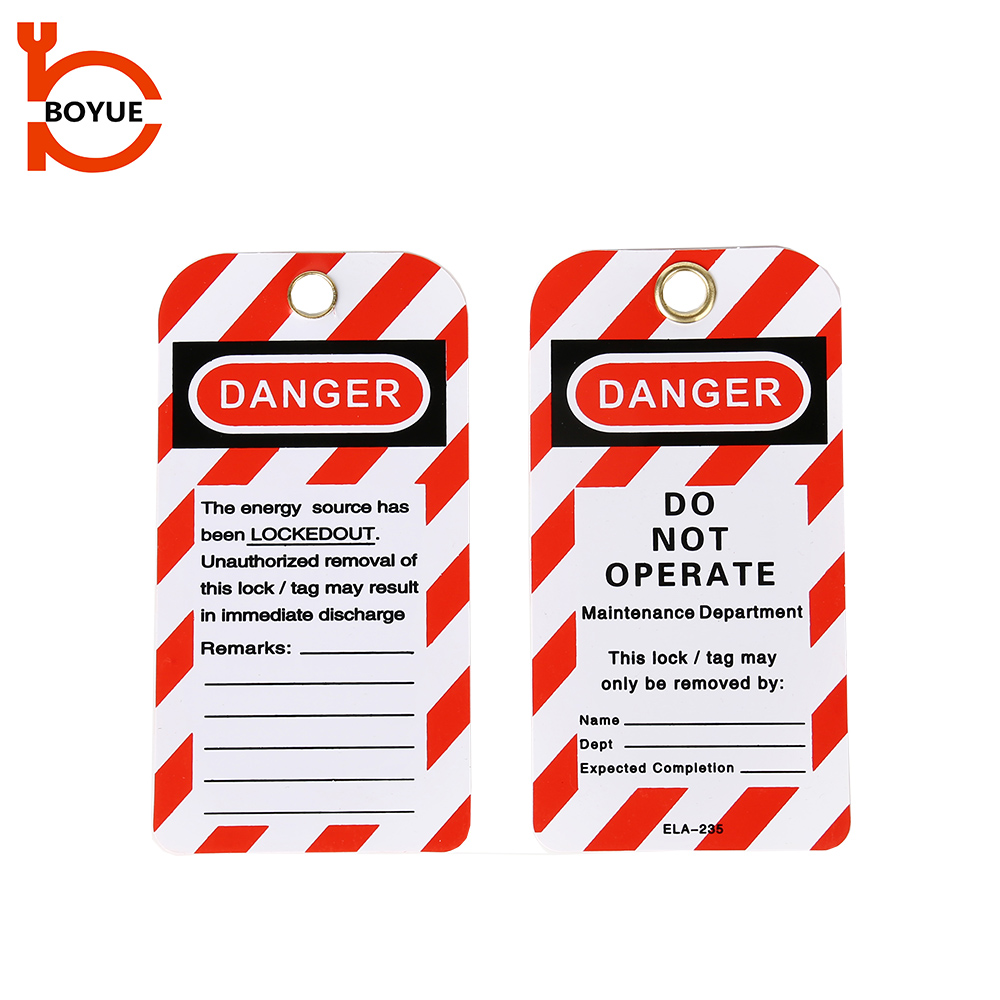
Safety tags are not just labels—they are life-saving communication devices. Whether it’s an electrical hazard, chemical risk, or maintenance procedure in progress, custom safety tags provide clear and immediate information tailored to the unique operations of your facility. Standardized tags can fall short when specific processes or proprietary equipment require distinct messaging. Customization allows you to include company branding, QR codes, lockout instructions, or multilingual content to ensure clarity across your workforce.
In high-risk industries like manufacturing, oil and gas, or construction, one-size-fits-all messaging is insufficient. Customized tags empower safety teams to communicate with precision, reducing misunderstandings that can lead to severe injuries or fatalities.
Enhancing Regulatory Compliance Through Custom Tagging
Failing to comply with safety regulations not only puts employees at risk but can also lead to substantial fines and legal consequences. Agencies such as OSHA, ANSI, and ISO have clear mandates on labeling and hazard communication. Customized safety tags ensure that your workplace meets and often exceeds these requirements by aligning with both industry standards and internal safety protocols.
Custom tags can be produced in accordance with specific regulatory codes, such as OSHA 1910.147 for lockout/tagout procedures. This guarantees that your tags meet the required color schemes, warning symbols, and instructional content. By integrating detailed maintenance dates, inspector names, or safety checklists, these tags act as formal records of due diligence and help during audits or investigations.
Boosting Operational Efficiency and Safety Awareness
Beyond compliance, customized tags streamline operations. When machines are clearly marked with operational instructions, maintenance schedules, or lockout procedures, downtime is minimized and productivity improves. Workers are no longer left guessing about a piece of equipment’s status or potential danger.
Moreover, visual cues enhance behavioral safety. Repeated exposure to customized tags with consistent messaging ingrains safety culture across teams. For example, tags that highlight PPE requirements, restricted access, or temperature warnings remind workers of the precautions needed without interrupting workflow. These ongoing cues reinforce training and reduce the likelihood of oversight.
Design Features That Maximize the Impact of Customized Safety Tags
The efficacy of safety tags depends heavily on their design. Effective customized tags are durable, highly visible, and context-specific. They should be made from weatherproof, chemical-resistant materials suitable for the environmental conditions in which they’ll be used. High-contrast colors, bold fonts, and universally recognizable symbols increase the chances of instant recognition.
QR codes can be included to link to digital safety manuals, lockout/tagout procedures, or incident reporting forms. Including multilingual translations ensures that all workers, regardless of their native language, understand the safety message. Some businesses also opt to use photographs or icons that are relevant to their unique machinery or processes, offering a visual reinforcement of the written warning.
Implementing a Custom Safety Tagging System in Your Workplace
The success of any customized tagging system relies on proper planning and execution. Start by conducting a comprehensive hazard assessment to identify areas where standard tags fail. Collaborate with safety officers, floor managers, and employees to determine the specific messaging and design needed for each area or piece of equipment.
Next, partner with a professional safety tag provider who offers customization options that meet your industry needs. Ensure your team is trained not only to understand the meaning of these tags but also to recognize when to use them correctly. Ongoing review and revision of your tagging system are essential to keep up with operational changes or new regulatory requirements.
Conclusion
Customized safety tags are not merely accessories—they are vital components of a proactive safety strategy. By investing in tailored solutions, organizations can safeguard lives, maintain compliance, and foster a workplace culture where safety is deeply embedded in every action. As regulatory landscapes evolve and workplace complexities increase, customized tags remain one of the most adaptable and effective tools in the modern safety arsenal.
Post time: Jul-14-2025