
In environments where machines and powered equipment are part of daily operations, ensuring worker safety requires more than routine caution—it demands clear, consistent, and well-enforced procedures. One essential practice that often doesn’t receive enough attention is lockout tagout (LOTO). This method ensures that machinery stays completely de-energized during servicing, removing the risk of an unexpected startup.
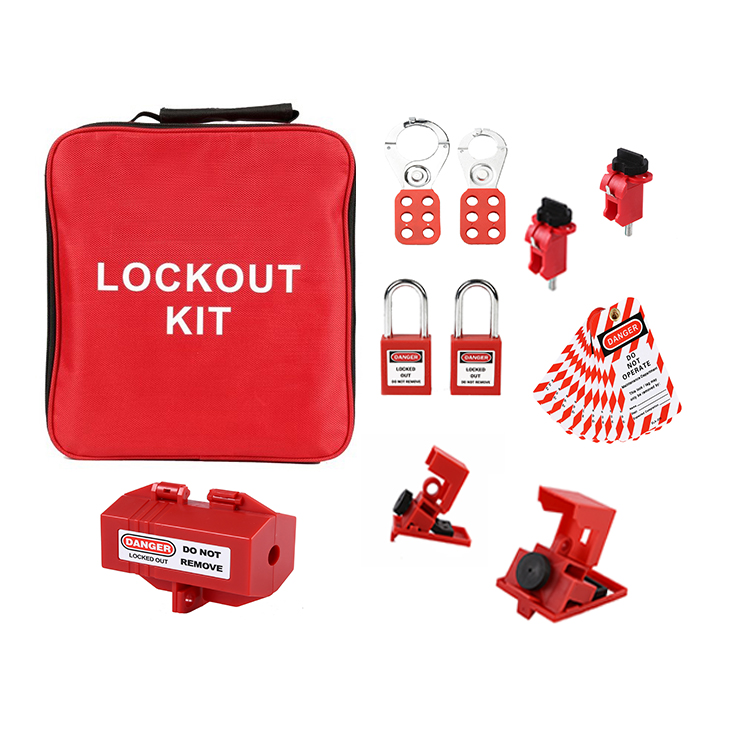
Many workplace accidents happen not because employees are careless, but because stored or residual energy wasn’t fully controlled before maintenance began. Lockout tagout directly addresses this hazard by isolating power sources and clearly labeling equipment so everyone knows it must remain off. When implemented correctly, it becomes a protective barrier between workers and potentially life-threatening equipment movements.
Effective LOTO programs rely on proper training. Employees must understand how to identify energy sources, apply locks and tags, and verify that equipment is fully shut down. Without these steps, even well-intentioned workers may be exposed to hidden dangers. Consistent training helps reinforce good habits and encourages a safety-first mindset across the organization.
Management also plays a vital role. Providing standardized devices, updating procedures, and enforcing compliance ensures that lockout tagout becomes part of everyday safety culture rather than an occasional formality. When leadership prioritizes LOTO, employees are far more likely to follow it diligently.
Ultimately, lockout tagout is not just a checklist item—it is a life-saving safeguard. By controlling energy sources and preventing accidental activations, workplaces create an environment where employees can perform vital maintenance confidently and securely. Investing in proper LOTO procedures protects people, reduces downtime, and reinforces a culture where safety is non-negotiable.
Post time: Nov-10-2025