
In industrial environments, the control of energy sources and hazardous materials is vital to maintaining worker safety. One critical way to achieve this is through the use of valve isolation lockout devices. These tools ensure that valves remain securely closed during maintenance or repair, minimizing the risk of accidental leaks or energy releases.
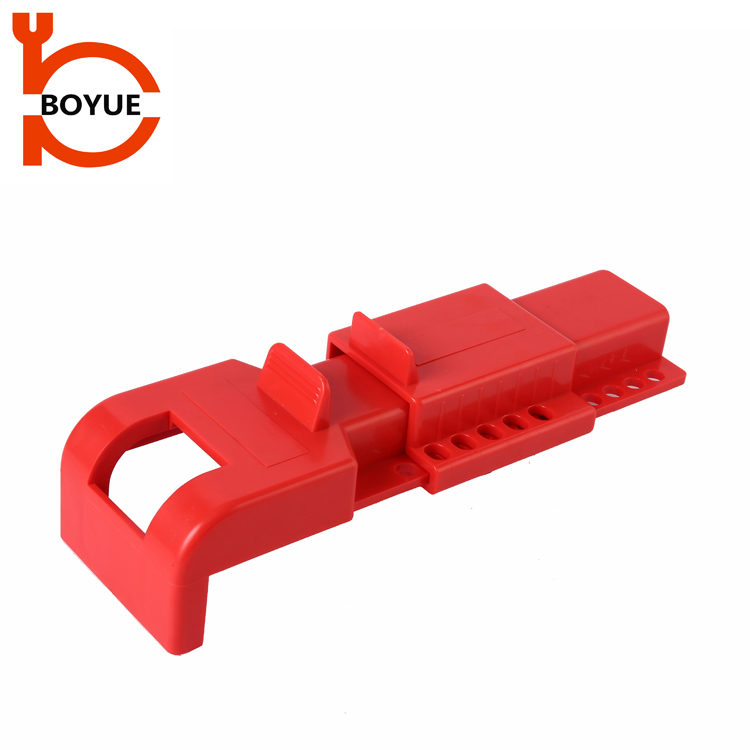
Valve isolation lockout devices serve as a physical barrier between workers and potential hazards. By preventing valves from being turned on unintentionally, these devices safeguard personnel from exposure to dangerous substances such as gas, steam, or chemicals. They also comply with lockout/tagout (LOTO) safety standards, ensuring that isolation procedures are effectively implemented and documented.
Different types of valve lockouts are available to suit various applications, including ball valve lockouts, gate valve lockouts, and butterfly valve lockouts. Each is designed to fit specific valve mechanisms and sizes, offering flexibility for diverse industrial needs. Choosing the correct lockout device not only increases safety but also enhances efficiency during maintenance operations.
Implementing valve isolation lockout devices is a proactive approach to workplace safety. It encourages a culture of accountability, where every employee participates in maintaining a hazard-free environment. Regular training and proper equipment usage can further strengthen the effectiveness of a company’s lockout/tagout program.
In conclusion, valve isolation lockout devices are indispensable in modern industrial safety systems. They protect workers, prevent costly accidents, and ensure compliance with international safety standards—making them a cornerstone of responsible industrial operations.
Post time: Oct-27-2025