
Hidden Dangers in Maintenance Operations
Every time a technician approaches a machine for maintenance, inspection, or cleaning, they step into a zone filled with invisible risks. These risks are not always obvious—machines may appear idle, silent, and harmless. Yet beneath that stillness lies stored or residual energy waiting to be released. A pressurized pipeline, an energized electrical panel, or even a rotating component with residual momentum can instantly turn into a hazard if not properly controlled. The challenge is that these dangers are often underestimated, especially when operations are routine and familiarity breeds complacency.
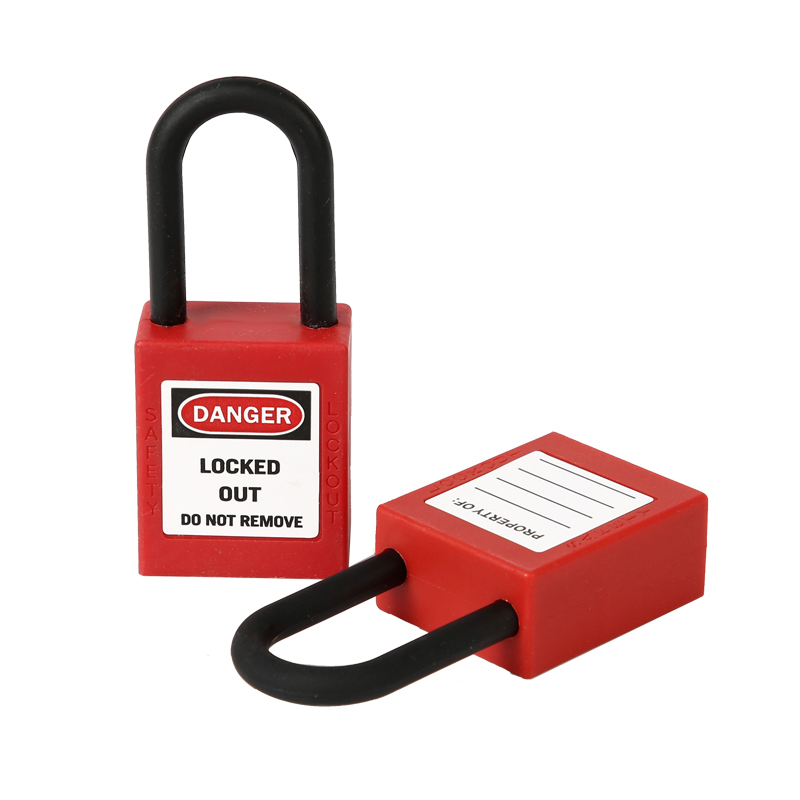
Think of industrial equipment like a sleeping giant. It may look calm on the surface, but without proper restraint, it can awaken unexpectedly. Many workplace accidents occur not because workers are careless, but because systems fail to provide absolute control over hazardous energy. Traditional safety approaches—like simply switching off a machine—are no longer sufficient in complex industrial environments. This is where structured and reliable systems become critical, ensuring that energy sources are not just turned off, but completely isolated and secured.
Types of Hazardous Energy Sources
Industrial environments involve a wide spectrum of energy forms, each with its own risk profile. Electrical energy is perhaps the most obvious, but it is far from the only concern. Mechanical energy, stored in moving parts or compressed springs, can cause sudden motion. Hydraulic and pneumatic systems store pressure that can release forcefully if not properly discharged. Thermal energy from hot surfaces or steam systems adds another layer of danger, while chemical energy can trigger reactions or releases if containment fails.
Understanding these different energy types is essential because each requires a specific isolation method. A one-size-fits-all approach simply doesn’t work. For instance, isolating electrical energy may involve circuit breakers, while hydraulic systems require pressure release valves. Without a comprehensive strategy that addresses all these forms, gaps in safety remain. This is precisely why advanced lockout key systems are designed to handle multiple energy types simultaneously, creating a unified and reliable safety barrier.
Post time: Mar-23-2026