
Hello! If you are getting started in electrical safety, you have likely learned about circuit breaker lockout. They are important to protect people and devices from electrical hazards when working with electrical equipment. Circuit breaker lockouts are very important to become familiar with at home or in an industrial location. This article will explain the definition of circuit breaker lockout, the importance of circuit breaker lockout, and how to use circuit breaker lockouts effectively.
What Exactly is a Circuit Breaker Lockout?
If you’re asking yourself “What exactly is a circuit breaker lockout?” then you’re in luck! The answer is simple; a circuit breaker lockout is a safety device that prevents people from accidentally switching on a circuit that is currently being serviced or repaired. The lockout allows you to keep power off until work has been completed properly and everything is safe and ready to put back into operation. The circuit breaker lockout is especially helpful in areas with lots of workers, because the device reduces the risk of electrical shock and injuries by preventing someone from turning the power back on while repairs are being performed.
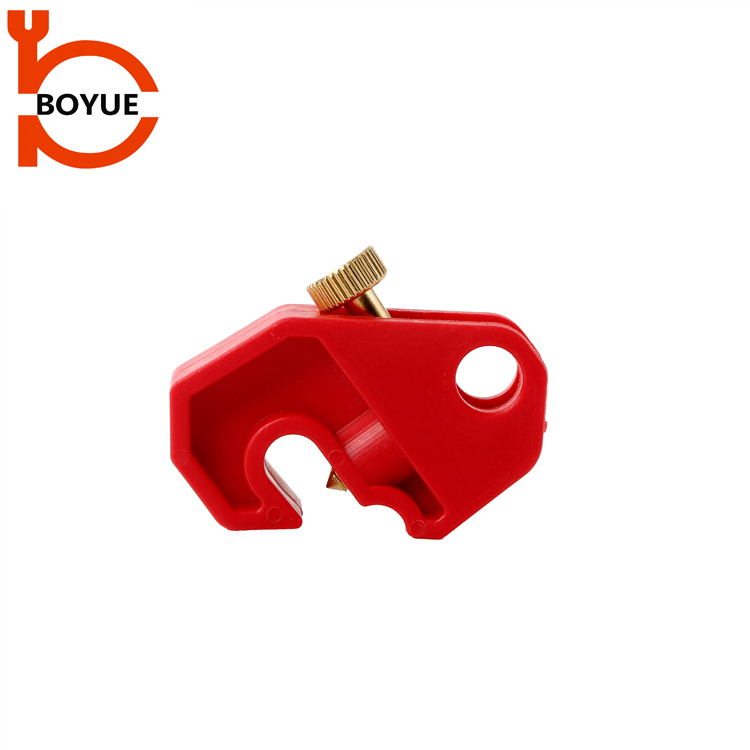
Why Are Circuit Breaker Lockouts So Important?
Failing to perform a circuit breaker lockout could put workers at risk, and in fact, it violates the rules mandated by OSHA (Occupational Safety and Health Administration) to ensure safety at work. The lockout and tagout procedures are designed to protect workers from hazards associated with their jobs, so it is common sense to follow these procedures.
When you do not implement effective lockout/tagout systems, the potential for significant electrical burns, injuries, or even worse increases significantly. Implementing these effective lockout/tagout strategies is about more than just filling a requirement; it’s about making your workplace much safer.
Best Practices for Using Circuit Breaker Lockouts
For those who prioritize safety in their work environment, following the required protocol for lockout on circuit breakers is essential. To help you with that here is a simple guide to follow:
1. Training: Ensure that everyone is knowledgeable regarding lockout/tagout procedures. Training is essential!
2. Proper Gear: Use solid, reliable lockout devices made specifically for circuit breakers.
3. Make Sure All Are Informed – Everyone needs to know when lockout/ tagout is being implemented so they can all be aware of what is going on.
4. Continual Maintenance: Ensure that all lockout devices (e.g., pads, chains, etc.) are serviced regularly so they will function properly and give you the protection you need to stay safe from accidents while on the job.
Where Can You Use Circuit Breaker Lockouts?
Circuit-breaker-lockouts are pretty much like Swiss Army knives when it comes to their multi-functional Multiple Uses in building, manufacturing, and maintenance on large-scale businesses, no matter where you can find them! Circuit Breaker Lockouts are your BFF (Best Friend Forever) if you work-around machinery or have repairs occurring to machinery while they are being repaired!
FAQs on Circuit Breaker Lockouts
What is a circuit breaker lockout?
This device makes sure that nobody can accidentally turn a circuit breaker back on while someone is working on it for repairs or maintenance.
Why should I bother with a circuit breaker lockout?
A one line communication system will assist in keeping people safe from electricity dangers, complying with safety laws, and providing a safer working area.
How do I get started with a circuit breaker lockout?
Everyone should be trained properly, communication should flow freely, lockout devices should be correct, and your procedures and equipment must be regularly inspected.
In a Nutshell
Understanding how to properly use an electric circuit breaker lockout is crucial for ensuring safety at both the workplace and at home. With the right procedures in place, companies can avoid electrical shocks and other types of accidents. Since safety is always our top priority, any investment in effective lockout/tagout programs should be considered necessary and will certainly save you money in the long-run.
Post time: Jul-06-2026