
Introduction
When dealing with electrical systems, worker safety must always come first. Accidental energization of equipment during maintenance or repair can lead to serious injuries or even fatalities. This is where Lockout/Tagout (LOTO) procedures come into play. These safety practices, supported by a variety of specialized devices, are designed to isolate energy sources and ensure that no one is at risk while work is being carried out. Let’s break down the essentials of LOTO devices and the procedures that keep workplaces safe.
Why LOTO Procedures Are Essential
LOTO procedures are the backbone of workplace electrical safety. They prevent unexpected machine startups or the release of hazardous energy, which could harm technicians. By ensuring that all energy sources are properly locked and tagged before work begins, companies reduce risks and build a culture of safety.
Types of LOTO Devices
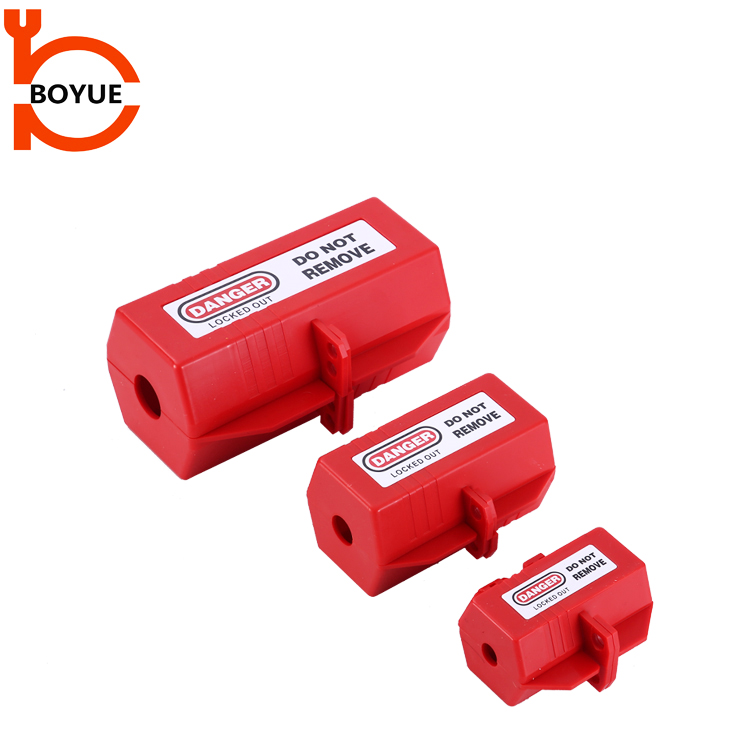
Different devices are used depending on the equipment and energy source. Circuit breaker lockouts, valve lockouts, plug lockouts, and cable lockouts are just a few examples. Each type serves the same purpose—physically preventing access to energy until the repair is complete. Choosing the right device ensures maximum effectiveness in protecting workers.
Key Safety Procedures
LOTO is more than just equipment—it’s a process. Workers must de-energize machines, apply the correct lockout device, attach a visible tag, and verify isolation before starting work. These steps guarantee that equipment remains safely out of operation until every worker involved has removed their lock and tag.
Creating a Safe Work Environment
When companies prioritize LOTO compliance, they protect their teams from avoidable accidents. Regular training, inspections, and proper use of lockout/tagout devices create a safer, more reliable workplace. Ultimately, LOTO isn’t just a regulation—it’s a commitment to keeping every worker safe.
Conclusion
Lockout/Tagout procedures are vital for safeguarding employees who handle electrical equipment. With the right devices and safety protocols in place, companies can significantly reduce workplace accidents and promote a culture of responsibility and care.
FAQs
1. What does LOTO stand for?
LOTO stands for Lockout/Tagout, a safety procedure used to isolate energy sources during maintenance.
2. Who should perform LOTO procedures?
Only authorized and trained employees should carry out LOTO procedures.
3. Are tags alone enough to ensure safety?
No, tags are only warnings. Physical lockout devices must be used alongside tags for complete safety.
4. How often should LOTO training be conducted?
Training should be conducted regularly, typically annually, or whenever new equipment is introduced.
5. What industries rely most on LOTO procedures?
Manufacturing, construction, utilities, and any industry working with heavy machinery and electrical systems rely heavily on LOTO for safety.
Post time: Sep-29-2025