
Servicing or maintaining machinery can be extremely dangerous when proper safeguards are ignored. Many workplace accidents happen not because equipment fails, but because critical safety steps are skipped. When energy sources aren’t isolated correctly, workers can be exposed to unexpected startups, mechanical movements, or hazardous releases—all of which can lead to severe injuries.
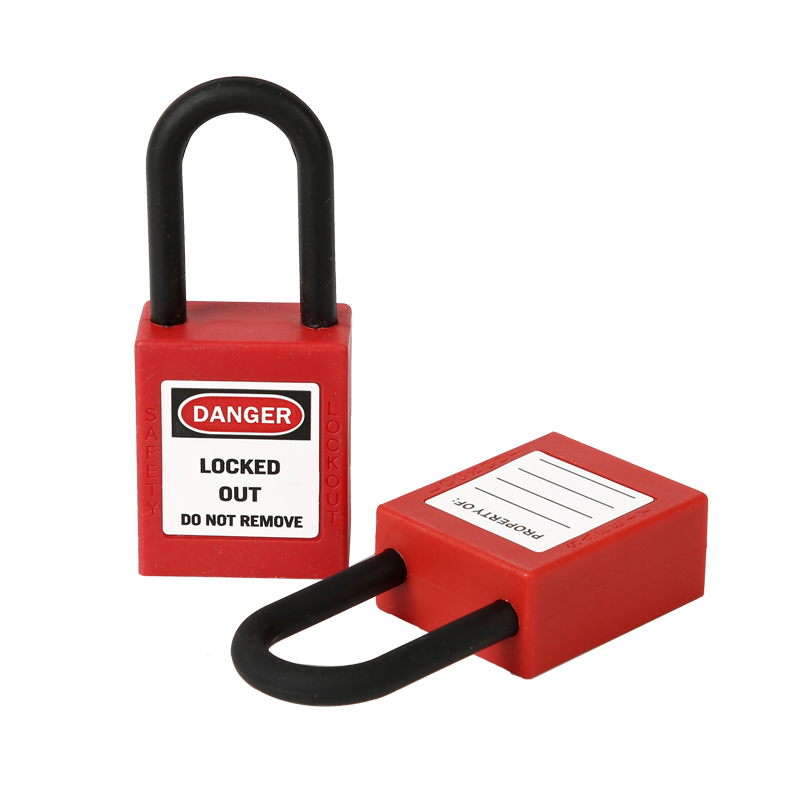
One major risk arises when machines are assumed to be fully shut down. In reality, many systems store hidden energy—electrical, mechanical, hydraulic, or thermal—that can activate without warning. Without locking and tagging devices in place, workers may unknowingly put themselves in harm’s way.
Another danger comes from poor communication. In busy facilities, multiple employees may work on the same machinery. If clear lockout tagout (LOTO) procedures aren’t followed, one person may restart equipment not realizing someone else is still inside or repairing it. This type of miscommunication has led to countless tragic incidents over the years.
Strict adherence to LOTO procedures helps eliminate these risks by ensuring that every energy source is controlled, clearly labeled, and physically locked to prevent accidental activation. It creates a reliable system of accountability so each worker knows exactly when equipment is safe to handle.
Ultimately, lockout tagout isn’t just a set of rules—it’s a life-saving protocol. When workers and employers treat it with the seriousness it deserves, they build a safer environment where preventable injuries and fatalities are no longer a threat. Consistently applying LOTO procedures is one of the most effective ways to protect everyone involved in equipment maintenance.
Post time: Nov-24-2025