
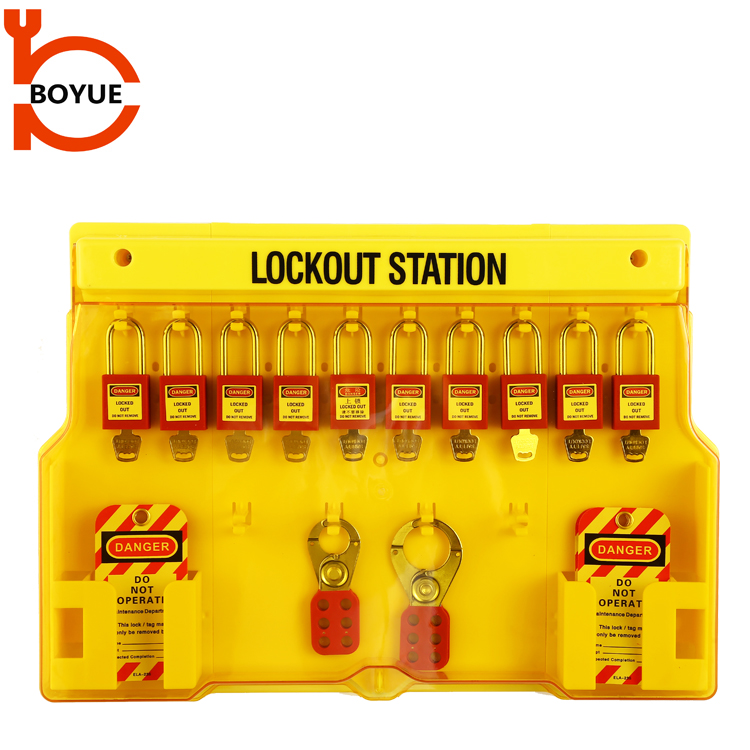
Having worked in a factory or an environment reliant on maintenance, one soon realizes that safety devices can disappear easily. This is why a padlock station is a useful piece of equipment. Consider a padlock station to be a single place where one keeps all padlocks and lockout devices. Instead of looking for a loose padlock or relying on workers to ensure that machines are locked out, you can simply keep everything within sight with a padlock station.
What Is a Padlock Station Used For?
The padlock station is designed to make it easier for everyone to comply with the lockout/tagout regulations. This is important because it reduces the risk of accidental activation and ensures that potentially dangerous equipment is shut down during maintenance. The padlock station also allows you to easily track the safety equipment in use and who is using it, making the entire process more efficient and safe for all employees involved.
Why You Need One
In addition to security, the padlock stations can save you much time. Once you need a lock, it is instantaneously available. There is no need for borrowing or, worse, for losing locks. Furthermore, the padlock stations are essential for maintaining compliance with regulations. In certain cases, it is also possible to monitor the use of certain locks and see who borrowed them, thus ensuring accountability.
Choosing the Right Padlock Station
Padlock stations are not created the same. You can get wall-mounted ones while others are carried wherever you need to go. Some padlock stations can even hold many padlocks at once. Make your choice of padlock station based on the needs of your team and your business processes. The best padlock station has to be durable and accessible while at the same time offering necessary storage for other safety equipment.
So, in summary, if you want to be serious about keeping the workplace safe, clean, and organized, getting a padlock station is definitely worth it. It will make life easier for your employees, reduce risks, and help you comply with safety regulations.
Post time: Oct-12-2026