
Lockout padlocks are vital safety devices used across industries to prevent unexpected machinery start-up during maintenance or repair. By isolating energy sources, they ensure that workers remain protected from potentially life-threatening accidents. These devices form an integral part of the Lockout Tagout (LOTO) system, which promotes a culture of safety and compliance in the workplace.
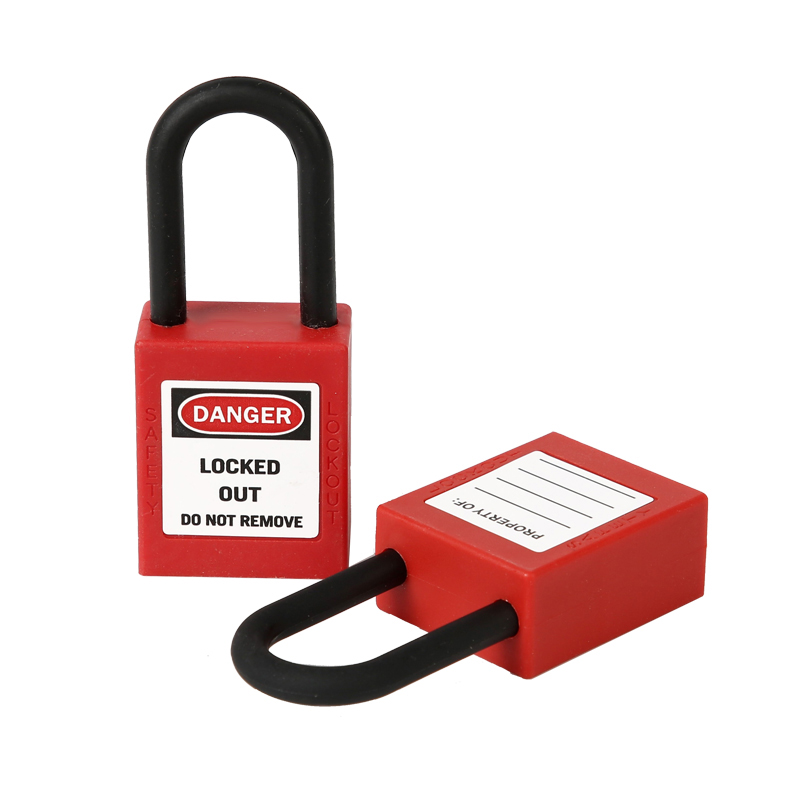
The primary purpose of lockout padlocks is to physically secure switches, valves, or control panels so that equipment cannot be powered on while work is in progress. Each padlock is typically assigned to an individual worker, ensuring that only the person performing the maintenance can remove it. This “one person, one lock” principle is a cornerstone of safety management and prevents miscommunication or premature reactivation.
In addition to their functional design, lockout padlocks come in various materials—such as steel, aluminum, or non-conductive nylon—to suit different environments. For instance, electrical maintenance teams often use non-metallic locks to prevent electric shock, while heavy industries may prefer durable, corrosion-resistant metal locks for harsh conditions.
Color coding is another key feature of these padlocks. Different colors can indicate departments, energy types, or safety roles, allowing for better organization and visual clarity. This simple yet effective system minimizes confusion, particularly in complex industrial setups.
Overall, lockout padlocks are more than just security tools—they are a critical line of defense against workplace hazards. By ensuring machines stay de-energized during maintenance, they uphold the safety of every technician, engineer, and operator on site.
Post time: Nov-03-2025