
In industrial and research settings, heavy machinery and hazardous energy sources are the engines of production and discovery, yet they conceal significant dangers. To ensure maintenance personnel are protected from accidental startup or energy release during servicing, a critical safety procedure known as Lockout/Tagout is rigorously implemented. This system is far more than a simple checklist; it is a mandatory combination of physical and procedural barriers designed to isolate hazards at their source, creating a secure zone for workers.
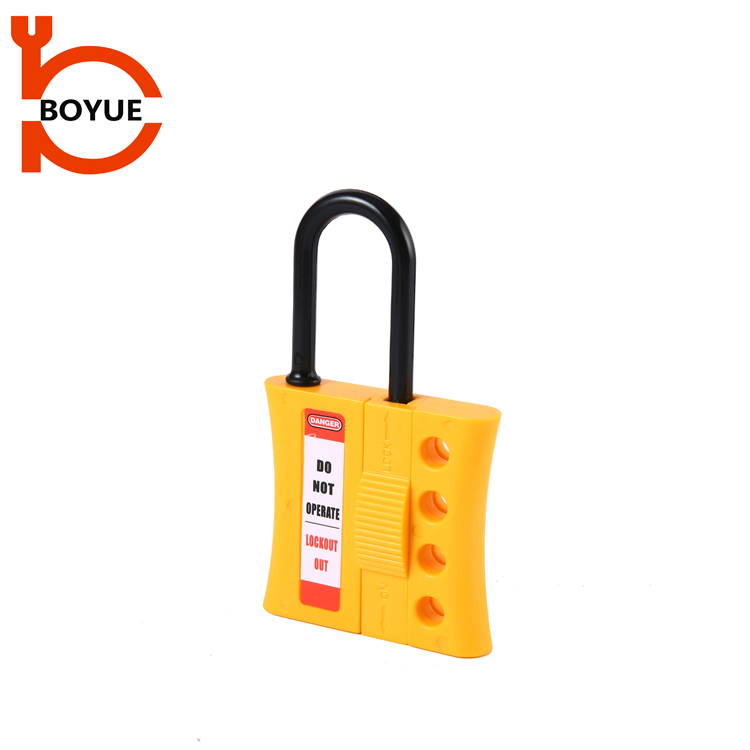
The essence of Lockout/Tagout lies in “controlling hazardous energy.” The primary step involves the complete identification and shutdown of all equipment energy sources, including electrical, hydraulic, pneumatic, chemical, and gravitational potential energy. Merely pressing a stop button is insufficient, as residual energy or human error can lead to catastrophe. Therefore, after shutdown, a worker must use their personal safety lock to securely fasten the energy isolation device—such as a circuit breaker or valve—rendering it impossible to operate without the key.
Following the “lockout” comes “tagout.” A clear, durable warning tag must be attached to every lock. This tag displays the name of the authorized employee, the date, time, and reason for the lockout. It serves as a vital communication tool, explicitly warning everyone in the area that the equipment is under maintenance and that removal of the lock or attempts to start the machine are strictly prohibited. Tagout works in tandem with lockout, forming a dual safeguard of both physical restraint and informed warning.
A comprehensive procedure also includes a critical verification step. After applying all locks and tags, the authorized employee must personally verify that the equipment is de-energized and in a zero-energy state, typically by attempting to start it using normal operating controls. This step confirms the isolation is effective and the environment is safe. Upon job completion, a strict release procedure must be followed, where the same worker removes their lock and tag, ensuring responsibility is clear from start to finish.
In conclusion, Lockout/Tagout is more than a set of tools and rules; it embodies a safety culture rooted in responsibility. By standardizing the process, it transforms an intangible safety commitment into the tangible reality of locks and tags, securing potential risks and safeguarding the well-being of every worker. It remains an indispensable cornerstone of modern safety management.
Post time: Dec-15-2025