
In industrial environments, maintaining a safe workspace requires strict attention to potential hazards. One important measure involves controlling the release of pressurized or hazardous substances during equipment servicing. To achieve this, valve isolation lockout devices are widely used as a reliable solution to ensure valves remain securely shut during maintenance activities.
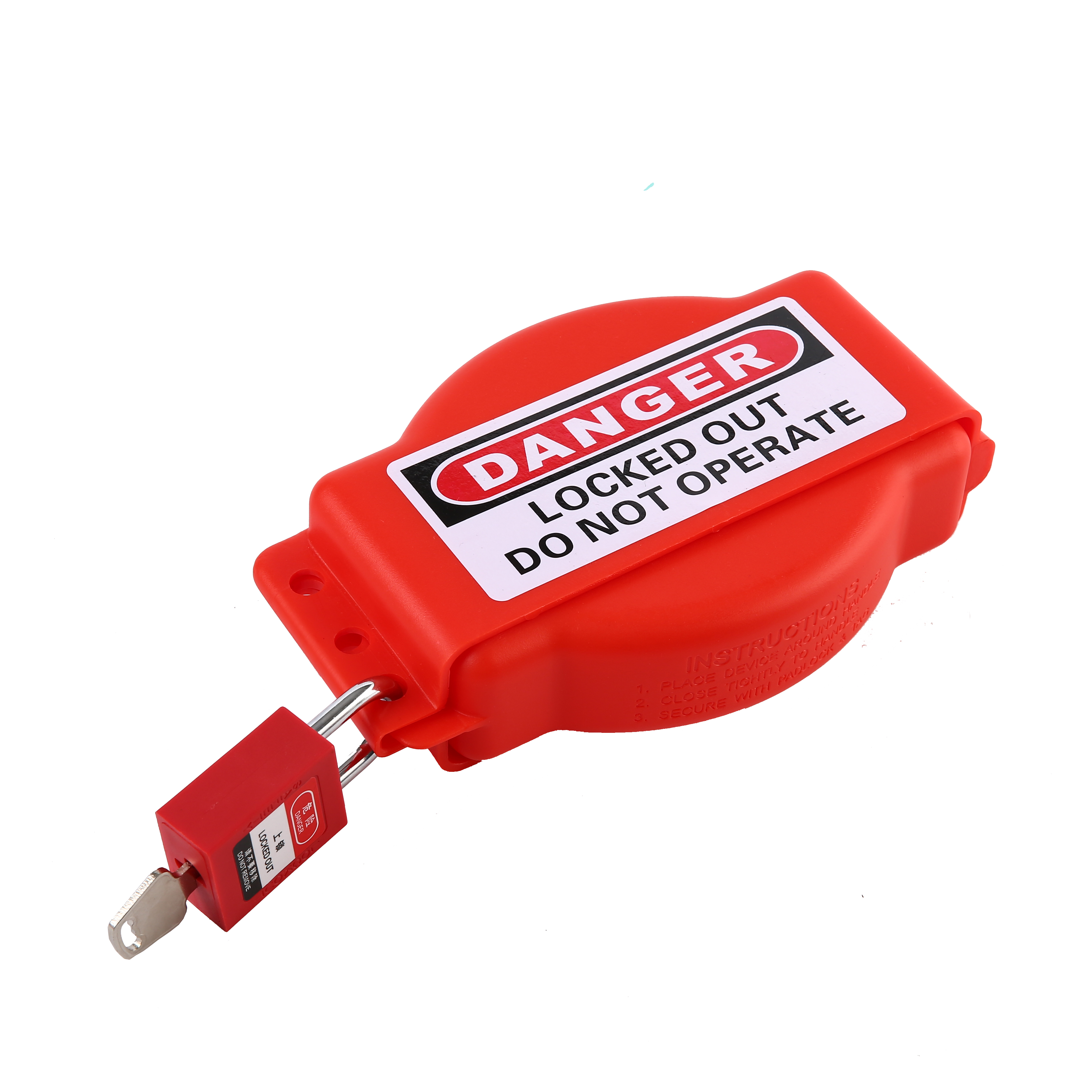
These devices are specifically designed to prevent accidental valve operation, which could otherwise result in leaks, spills, or dangerous exposure to harmful materials. By physically locking a valve in place, they eliminate the risk of unintentional adjustments, giving workers the confidence to perform their tasks without fear of sudden energy release. This simple yet effective tool is a cornerstone of many safety programs.
Valve isolation lockouts come in various designs to accommodate different valve types, such as ball valves, gate valves, and butterfly valves. Their adaptability makes them suitable for industries ranging from chemical manufacturing and oil and gas to food processing. The use of these devices not only enhances safety but also ensures compliance with regulatory standards related to hazardous energy control.
In addition to providing direct protection for workers, valve isolation lockout devices contribute to improved efficiency. When employees know that valves are securely locked out, they can perform maintenance more quickly and effectively, without constant concern for unexpected hazards. This reassurance fosters a culture of safety that benefits both the workforce and the overall productivity of the facility.
Ultimately, investing in valve isolation lockout devices is not just a compliance measure but a proactive step toward protecting lives. By integrating these devices into lockout/tagout procedures, companies demonstrate their commitment to safeguarding employees while minimizing risks associated with hazardous energy.
Post time: Sep-22-2025