
In industrial environments, safety is a top priority to protect workers from potential hazards. One of the most effective safety practices is the implementation of lockout/tagout (LOTO) procedures, which are designed to control hazardous energy sources during equipment maintenance or servicing. A key element of these procedures is the LOTO circuit breaker lockout, an essential device for ensuring complete isolation of electrical energy.
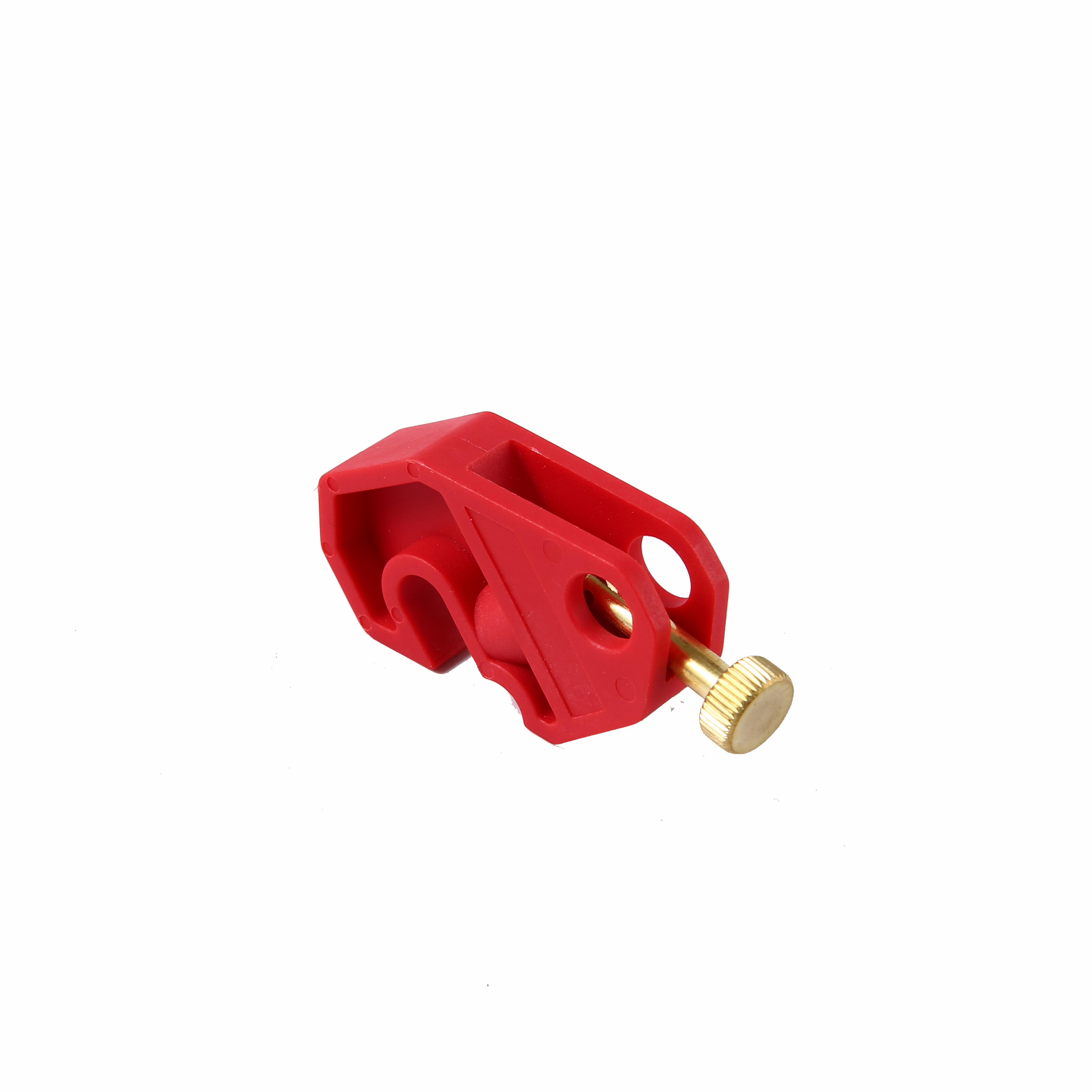
Circuit breaker lockouts are specifically engineered to secure the breaker switch in the “off” position. By doing so, they prevent the accidental re-energization of electrical systems while maintenance or repair work is in progress. This simple yet powerful measure helps reduce the risk of electrocution, equipment damage, and workplace accidents caused by uncontrolled energy release.
One of the main advantages of using a circuit breaker lockout is its adaptability. These devices are available in different sizes and designs to fit a wide range of circuit breakers. Whether working with single-pole or multi-pole breakers, there are lockout solutions that ensure safe and reliable isolation, providing flexibility across diverse industrial applications.
In addition to the device itself, proper training and employee awareness are critical. Workers must be educated on how to apply lockout devices correctly, follow standardized procedures, and use accompanying tags to indicate who is responsible for the lockout. This not only enhances safety but also fosters accountability within the team.
Ultimately, the use of LOTO circuit breaker lockouts plays a vital role in safeguarding employees and ensuring compliance with safety regulations. By incorporating these devices into regular maintenance protocols, companies can create a safer work environment, minimize risks, and demonstrate a strong commitment to workplace safety.
Post time: Aug-18-2025