
In industrial safety management, preventing unexpected equipment startup is critical to protecting workers during maintenance. This is where Lockout/Tagout (LOTO) plays a vital role. Instead of simply relying on procedures, LOTO introduces a physical barrier—safety locks—to ensure that hazardous energy sources remain isolated. These locks act as the final safeguard, making the concept of “locked = safe” a practical reality rather than just a guideline.
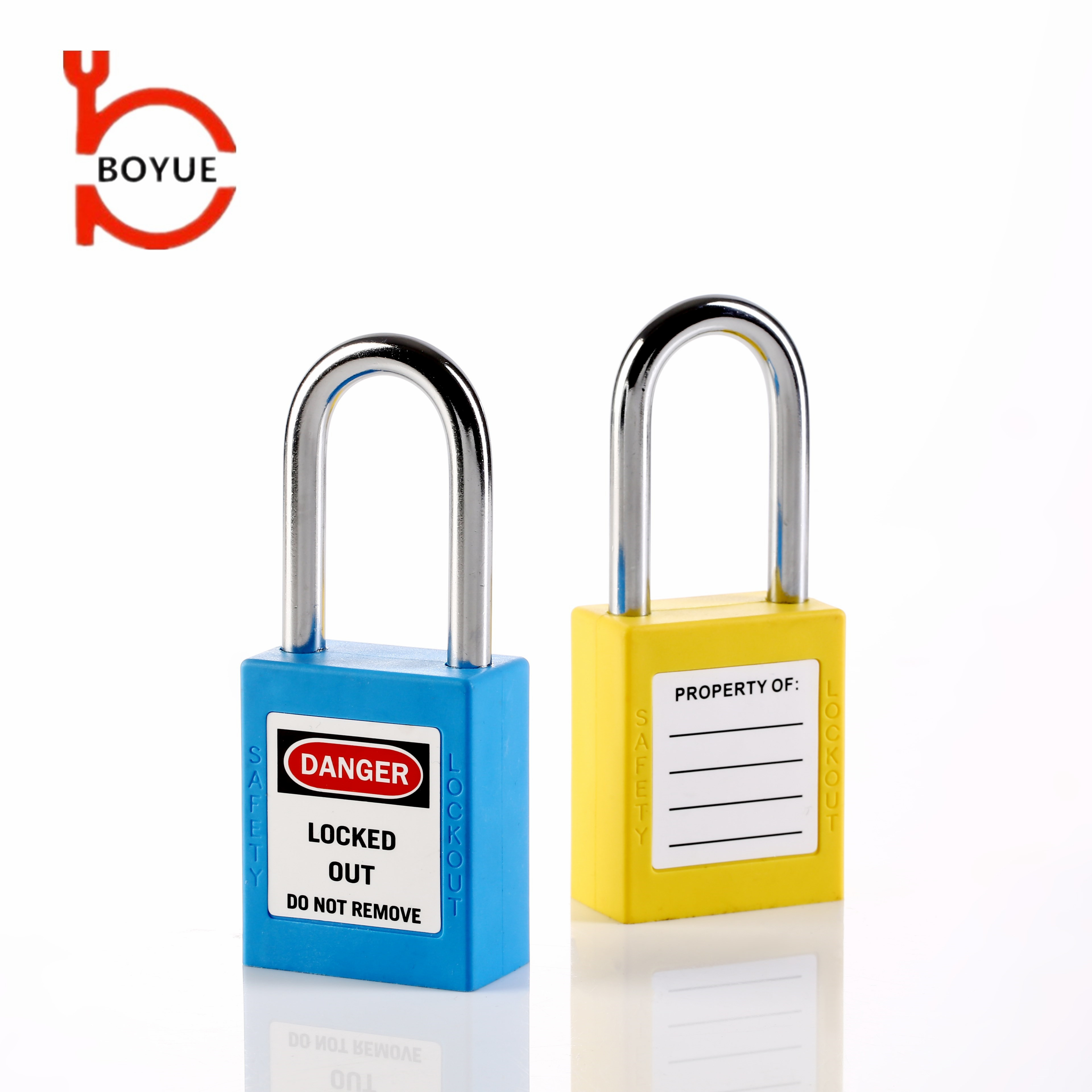
Industrial safety locks function as the gatekeepers of hazardous energy control. Their reliability directly affects whether a LOTO system can perform as intended. However, one often overlooked factor is the material of the lock body. This choice is far from trivial. It determines whether the lock can endure harsh environments such as moisture, chemical exposure, or high-voltage conditions without failing. A lock that corrodes, cracks, or conducts electricity may compromise the entire safety system.
Different environments demand different material properties. For example, high humidity or wet conditions can cause traditional metal locks to rust, while chemical exposure in industrial plants may accelerate corrosion. In electrical settings, conductive materials introduce additional risks, making non-conductive engineering plastics a safer option. Each scenario requires careful evaluation to ensure that the lock remains functional and secure over time.
Common materials used in LOTO locks include engineering plastics, aluminum, and stainless steel. Plastics offer excellent insulation and corrosion resistance, making them ideal for electrical applications. Aluminum provides strength and durability but lacks electrical safety. Stainless steel excels in corrosion resistance and longevity, especially in chemically aggressive environments, though it is heavier and more costly.
Ultimately, selecting the right lock body material is about matching the material to the environment. A well-chosen lock ensures durability, visibility, and operational convenience while maintaining safety integrity. When the material is appropriate, the lock can reliably fulfill its role as the final barrier, ensuring that industrial safety measures are not just implemented—but truly effective.
Post time: Mar-30-2026