
Across multiple regions, enterprises are accelerating the standardization of energy isolation practices to reinforce the safety foundation of maintenance operations. By embedding unified procedures and technical requirements into daily management, industries are shifting their safety governance model from reactive accident handling to proactive risk prevention. This transformation reflects a deeper understanding that effective control of hazardous energy is the core barrier against mechanical injuries and unexpected equipment startup.
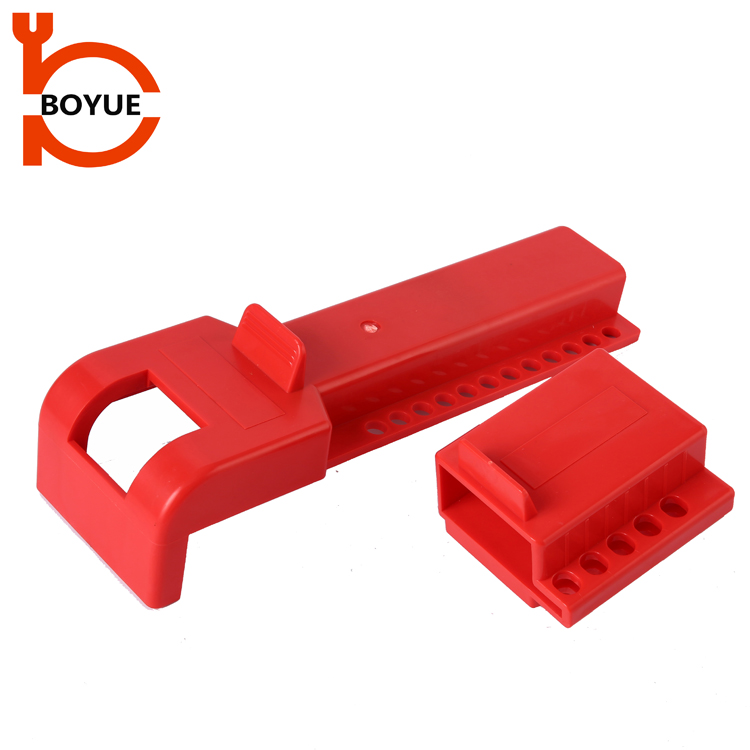
Energy isolation, particularly through comprehensive Lockout/Tagout (LOTO) systems, plays a decisive role in eliminating hidden dangers before maintenance begins. Rather than relying solely on post-incident investigations and corrective actions, organizations are strengthening front-end controls—such as risk identification, standardized lock application, and real-name authorization systems. These measures ensure that every maintenance task is performed under verifiable and controlled conditions.
Regional regulatory bodies have also intensified supervision and guidance, promoting uniform technical standards and inspection mechanisms. Through joint training programs, cross-enterprise benchmarking, and digital tracking platforms, the implementation of energy isolation procedures has become more transparent and accountable. This coordinated approach not only enhances compliance but also fosters a shared safety culture among industries.
At the enterprise level, management accountability has been further clarified. Safety performance indicators are now directly linked to the execution quality of isolation procedures. Supervisors conduct routine audits, while frontline employees receive systematic training to strengthen hazard awareness and operational discipline. Such institutional reinforcement ensures that safety measures are not symbolic, but practical and enforceable.
Ultimately, strengthening the energy isolation defense line represents more than regulatory compliance—it signals a structural upgrade in safety governance philosophy. By prioritizing prevention over remediation, industries can reduce accident rates, protect workers’ lives, and establish a resilient operational environment grounded in foresight and responsibility.
Post time: Feb-27-2026