
In modern industrial environments, controlling hazardous energy is a fundamental prerequisite for safe operations. Before any inspection, repair, or servicing activity begins, all potential energy sources must be effectively isolated to eliminate the risk of unexpected equipment startup. Without a structured energy isolation approach, even routine maintenance tasks can escalate into serious incidents involving mechanical movement, electrical shock, or the sudden release of stored energy.
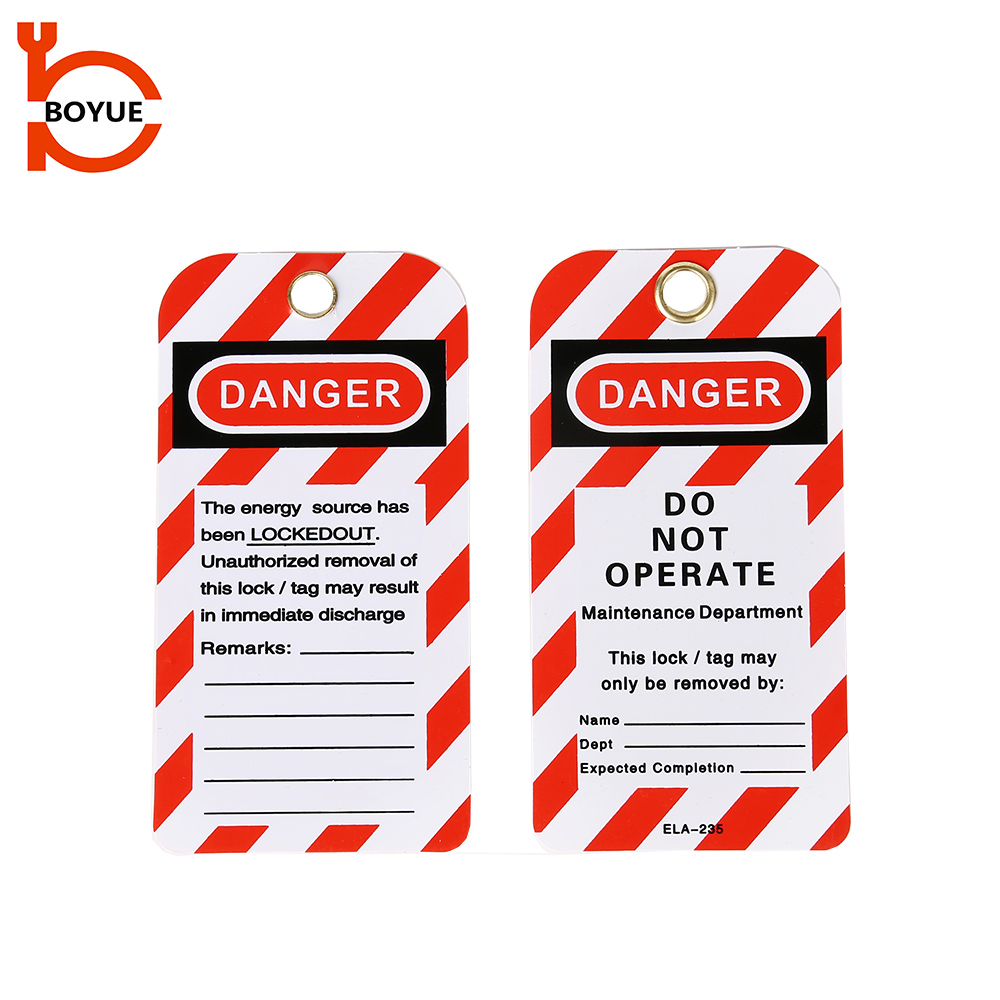
Energy isolation is not merely a technical action; it is a systematic management process. It involves identifying all energy sources—electrical, mechanical, hydraulic, pneumatic, chemical, and thermal—followed by proper shutdown, isolation, locking, tagging, and verification. Each step must be executed in strict accordance with standardized procedures to ensure that no residual or secondary energy remains. The verification stage, often overlooked, is particularly critical in confirming that the isolation is fully effective.
A strong energy isolation program also depends on clearly defined responsibilities. Operators, maintenance personnel, supervisors, and safety managers must understand their respective roles within the procedure. Training and competency assessments are essential to ensure that employees can accurately identify energy sources and apply isolation devices correctly. Accountability mechanisms further reinforce compliance and prevent procedural shortcuts.
Technological support enhances the reliability of isolation measures. Standardized lockout devices, clear labeling systems, and digital permit-to-work platforms improve traceability and operational transparency. Regular audits and risk assessments help organizations identify gaps and continuously optimize their control processes.
Ultimately, effective energy isolation represents a shift from reactive accident handling to proactive risk prevention. By embedding standardized isolation practices into daily operations, enterprises can establish a solid defense line against industrial hazards and create a safer, more resilient production environment.
Post time: Mar-04-2026