
Lockout padlocks play a crucial role in protecting employees during equipment servicing and maintenance. They ensure that machines remain completely isolated from energy sources, reducing the risk of unexpected startups. When workers apply these devices correctly, businesses can maintain a safer work environment and significantly lower the chances of workplace accidents. The following guidelines outline the essential practices for using lockout padlocks effectively.
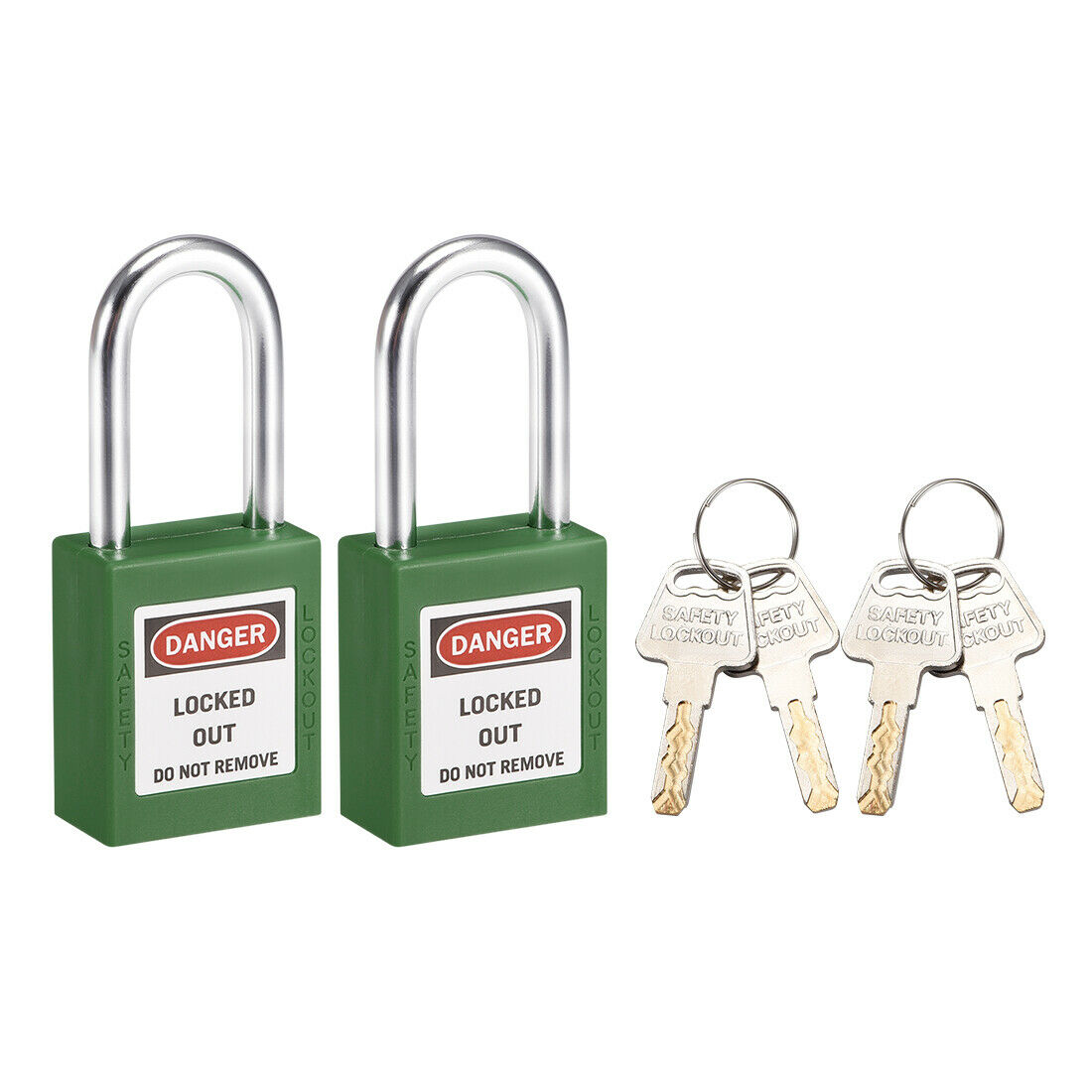
Lockout padlocks should always be durable, standardized, and easily identifiable. Using color-coded or labeled padlocks helps workers quickly recognize who is responsible for a lockout and prevents unauthorized removal. Each padlock must be assigned to a single employee to ensure accountability and proper control throughout maintenance activities.
Before starting any repair or inspection, workers must verify that all energy sources—electrical, mechanical, hydraulic, or pneumatic—are fully de-energized. Applying a lockout padlock to the correct isolation point is only effective if the equipment has been properly shut down and relieved of stored energy. A clear written procedure ensures every team member follows the same steps consistently.
Communication is another essential part of lockout safety. Team members should always inform supervisors and co-workers before placing or removing padlocks. Visual tags, checklists, and logbooks help track lockout status in busy facilities where multiple machines are serviced at the same time.
Finally, routine training ensures workers fully understand how and when to use lockout padlocks. By reviewing procedures regularly and staying updated on safety requirements, companies can cultivate a strong safety culture and prevent avoidable incidents. When used correctly, lockout padlocks provide reliable protection and help keep workers safe every day.
Post time: Nov-17-2025