
Sure! What can be said about traditional hasp locks still holds true: They’ve been used for centuries and will most likely continue to be used for centuries more. Digital locks, smart locks and electronic access systems are becoming increasingly prevalent, but traditional hasp locks are still one of the cheapest, most practical, reliable ways to lock DOWN almost anything you want to keep safe from theft or damage: doors, gates, cabinets/lockers, storage containers, toolboxes, etc.
For buyers who need a simple mechanical locking solution, an Aluminum Hasp offers a strong balance of corrosion resistance, lightweight design, ease of installation, and everyday durability. It may look simple, but in many real-world applications, that simplicity is exactly what makes it dependable.
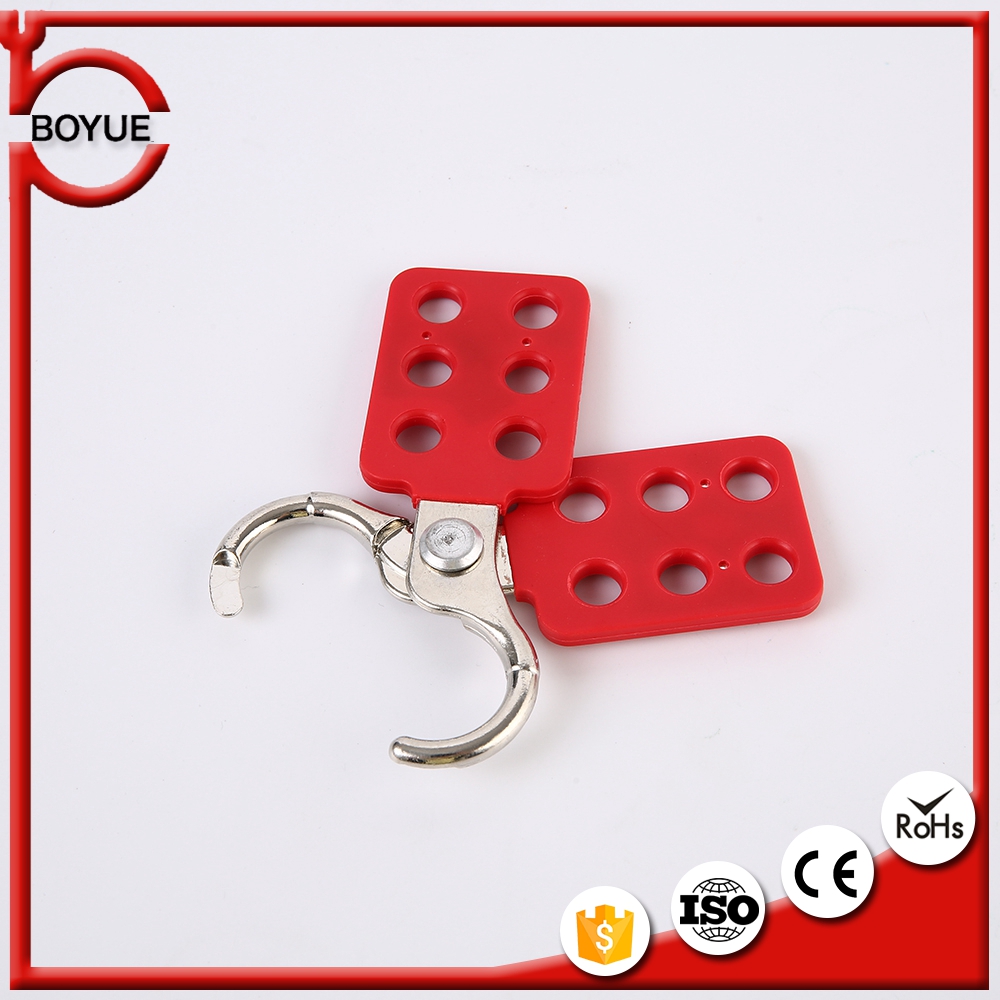
What Is a Hasp Lock?
A hasp style of locking device has two parts, the hasp, which attaches to an item such as a door or lid, and a staple, which attaches to another item, such as the wall opposite the door or lid. You close the hasp over the staple, place your padlock in the opening of the hasp, and that locks the hasp closed.
A hasp typically lacks an internal lock. It usually uses a padlock, combination lock, or another removable lock to create a locking mechanism. Because of this, users can replace, upgrade, and/or share their padlock with others without having to worry about removing their hasps.
Why Are Hasp Locks Still Used Today?
Hasp locks still are very well-liked as they satisfy an everyday need to offer an easy to view, easy to access, and inexpensive security system that isn’t complicated by complex or expensive hardware solutions. Buyers in the residential, commercial, agricultural, marine, and light manufacturing sectors typically prefer to use mechanical solutions rather than rely onbattery-operated devices/electronic devices/systems that require wiring/internet access.
A hasps are also simple to see at a glance. The question of whether or not an object, such as a store, cupboard or gate, is locked may easily be answered with a padlock and hasp being used to secure it. An easily recognized visual deterrent (a padlock and hasp) serves as a visual deterrent in many situations; including workshops, warehouses, farms, construction sites and storage spaces that are shared between different groups.
Hasp locks are adaptable because they fit on all different types of materials such as metal (aluminum, steel), wood, plastic, and composites depending on the type of fasteners (i.e., screws, bolts or rivets) used to attach them to the object they secure. Hasp locks work well for unique applications like custom doors, outdoor cabinets, utility boxes and upgrades where new locking mechanisms are needed for retrofitting old hardware.
Why Choose an Aluminum Hasp?
Hasps can be made out of many kinds of materials, such as steel, stainless steel, brass, zinc alloy and aluminum. For each of these materials, there are advantages and disadvantages. When consumers look for hasps with good corrosion resistance, lightweight and good aesthetic appearance, aluminum has been a very popular material choice.
If you are working in conditions where there’s a risk of moisture or humidity (such as with outdoor applications), an aluminum hasp may be a good choice. Because aluminum resists rust on its own, it would be a good option for use with things like garden gates, outdoor storage cabinets, trailer tows, marine storage compartments, electric boxes, and equipment assemblies, etc.
Maximum benefit from weight. While some types of lightweight exterior doors do not require a heavy-duty steel-hasp due to their thin-panel construction (or use portable boxes), they are often unfeasible with a heavy-duty steel-hasp because they create significant additional loading to the exterior wall. An aluminum hasp provides secure closure of lightweight external doors without adding extreme additional weight to the exterior wall.
Common Applications of Aluminum Hasp Locks
Hasp locks can be found readily across multiple locations. Common spaces where you will find hasp locks include residential storage sheds, garage cabinets, toolboxes, exterior utility doors, lockers, barns, boat compartments, trailer doors, and machinery coverings. Hasp locks can also be used commercially for providing access to maintenance panels, warehouse storage cages or areas, meter boxes, equipment rooms and other areas that require secure access.
People looking to buy an exterior or interior door lock and their corresponding hasps need to consider not just if the hasp will work securely with the door itself but also whether the locking system as a whole meets their needs based on the level of security needed for the contents of the building to be secured. For example, what type of hasp is used to secure a garden shed would typically differ from something that would be used for locking up office supplies or tools locked inside an industrial cabinet.
Outdoor use depends more on corrosion resistance and the weather. Indoor use depends more on alignment, appearance, and ease of operation than on this. For public or semi-public use, the degree of tamper-resistance and concealed mounting screws can also be important attributes.
Post time: Jun-15-2026